
The World’s Greatest Horse Races: UK vs. Australia Head-to-Head
April 13, 2026
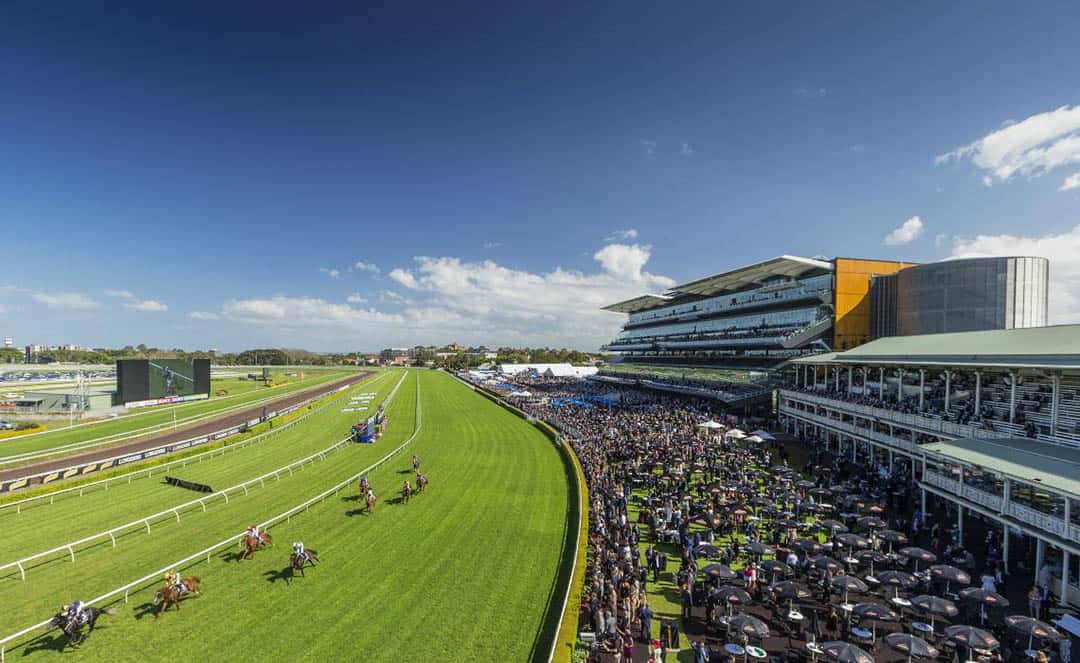
There’s a moment, right before the stalls crash open, when time seems to compress.
Tens of thousands of people hold their breath simultaneously. Somewhere in that suspended second, a century of tradition, breeding decisions, trainer obsession, and jockey instinct collapses into a single burst of hooves.
Horse racing doesn’t just entertain. It consumes and nowhere does it consume more completely than in Britain and Australia, two nations that didn’t just inherit the sport; they built their own temples to it. Comparing the two is less a sporting debate and more a civilisational one.
These are countries where racing isn’t a niche hobby tucked into the sporting calendar. It’s woven into the culture itself. But the races that define each nation couldn’t be more different in character, and that contrast is exactly what makes this head-to-head so compelling.
The Weight of History: Royal Ascot and The Classics
British racing carries the kind of pedigree that simply can’t be manufactured.
Royal Ascot, held each June on the Berkshire course established by Queen Anne in 1711, is perhaps the most recognisable racing event on the planet, not just for what happens on the track, but for everything surrounding it.
The fashion, the protocol, the Royal Procession down the course before racing begins. It’s pageantry and sport fused into one unmistakably British institution.
But beneath the top hats and fascinators, the racing is serious. The Gold Cup at Ascot, run over two and a half miles, is the ultimate test for stayers, horses that grind out distance with a relentlessness that’s genuinely breathtaking to watch.
Champions Stradivarius and Yeats turned the race into something approaching personal property, dominating it in ways that only cemented its legend.
Then there are the five Classics, the 1000 and 2000 Guineas, the Oaks, the St Leger, and, above all, The Derby at Epsom.
No race in the world carries quite the same weight among Flat purists as The Derby.
Run over a mile and a half on a course that bends, undulates, and catches horses out in ways that flat tracks never could, it’s a race that rewards intelligence as much as raw talent. Epsom on Derby Day in June is one of those sporting experiences that reminds you why the live version of anything is always superior to a screen.
Making sense of that unpredictable Epsom track is half the appeal. Long before the horses even enter the parade ring, the modern racing fan is usually deep into the data. It becomes a puzzle of deciphering ground conditions, studying breeding lines, and watching how the market reacts to a sudden change in the weather.
Keeping a close eye on the ante-post markets and daily racecards on platforms like NetBet Sport gives followers a real-time sense of the shifting narratives before the runners even reach the stalls. But if the Classics teach us anything at all, it is that thoroughbreds rarely read the script. All the form study in the world cannot guarantee a winner, which is exactly why treating a wager as a small addition to the afternoon’s entertainment, rather than a reliable source of income, remains the only sensible approach.
Australia’s Obsession: The Carnival That Stops a Nation
Australians don’t love horse racing. They are absorbed by it.
The Melbourne Cup, run on the first Tuesday of November at Flemington Racecourse, is proof of that in a way no statistic can adequately capture. Offices across the country stop. Schools hold sweepstakes. People who haven’t placed a bet all year suddenly have opinions on overseas stayers flown in from Ireland or Japan.
The fact that it’s a public holiday in Victoria tells you everything.
The Cup itself, 3,200 metres around Flemington’s famous straight, is a handicap race, which means the best horses carry more weight to theoretically level the field.
That democratising effect is part of its appeal. Any horse in the field, at least in theory, can win it. And in practice, it often throws up results that leave seasoned punters stunned and first-timers gleefully cashing tickets they barely understood when they bought them.
But reducing Australian racing to the Melbourne Cup is like reducing British racing to Cheltenham. The Cox Plate at Moonee Valley is what the serious crowd considers the true test, a weight-for-age race over 2,040 metres on a tight, unforgiving track that punishes horses who can’t handle pressure.
Winx won it four consecutive times and turned it into something resembling a one-horse procession. In any other sport, that kind of dominance would have drained the spectacle. In racing, with Winx, it somehow amplified it.
Jump Racing vs. the Carnival Atmosphere
This is perhaps the sharpest cultural divergence between the two nations. Britain and Ireland have built jump racing into something almost separate from the Flat entirely. The Cheltenham Festival in March, four days, twenty-eight races, around 250,000 people, is the undisputed championship of National Hunt racing.
The Gold Cup, the Champion Hurdle, the Stayers’ Hurdle. Each race arrives carrying years of narratives: horses returning from injury, jockeys chasing records, trainers with scores to settle.
The Grand National at Aintree in April extends that tradition further. Forty runners, thirty obstacles including Becher’s Brook and The Chair, four miles and two furlongs. It’s chaotic, dramatic, controversial, and utterly unmissable.
It’s also one of the few horse races in the world that people with no connection to racing whatsoever will sit down and watch every year.
Australia doesn’t have jump racing in the same way; it’s a minor code compared to the thoroughbred Flat scene, but what it lacks there, it compensates for in sheer carnival energy.
The Spring Racing Carnival in Victoria, stretching from October through November, turns the country’s racing calendar into a month-long celebration. The Caulfield Cup, the Cox Plate, Derby Day, and then the Melbourne Cup itself arrive in quick succession, creating a rhythm of anticipation that’s hard to find anywhere else in global sport.
Two Nations, One Shared Addiction
What unites British and Australian racing, beyond the thoroughbred bloodlines that cross both hemispheres, is the understanding that great races are never really just about horses.
They’re about the people who breed them, train them, ride them, and back them. They’re about the communities that gather around courses on grey autumn mornings and blazing spring afternoons. They’re about a shared language of form, fitness, and fortune that enthusiasts on both sides of the world speak fluently.
Whether it’s the roar of Cheltenham’s hill or the hats of Flemington’s Birdcage, these races offer something sport rarely delivers at this intensity: the feeling that this moment, right now, actually matters.
April 13, 2026
Will Spurs Suffer the Ultimate Punishment for Sacking Ange Postecoglou?
Twelve months ago, Ange Postecoglou was leading Tottenham Hotspur to their finest moment in a generation Spurs had been 17 years without a major trophy, and you had to go all the way back to 1984 for Read MoreApril 13, 2026
Key Factors to Consider Before MLB Betting Early in the Season
The opening weeks of the MLB season bring excitement, uncertainty, and a flood of early narratives Teams surge, others stumble, and statistical leaders emerge almost overnight For sports fans, this Read MoreApril 10, 2026
Digital Security in Online Casino Platforms: Tools for Protecting Players
Security plays an important role in the gambling industry Sites like Pistolo casino online encourage participants to be responsible in their gameplay and trust only trusted operators Such casinos use Read More
Tell Us What You Think Below