
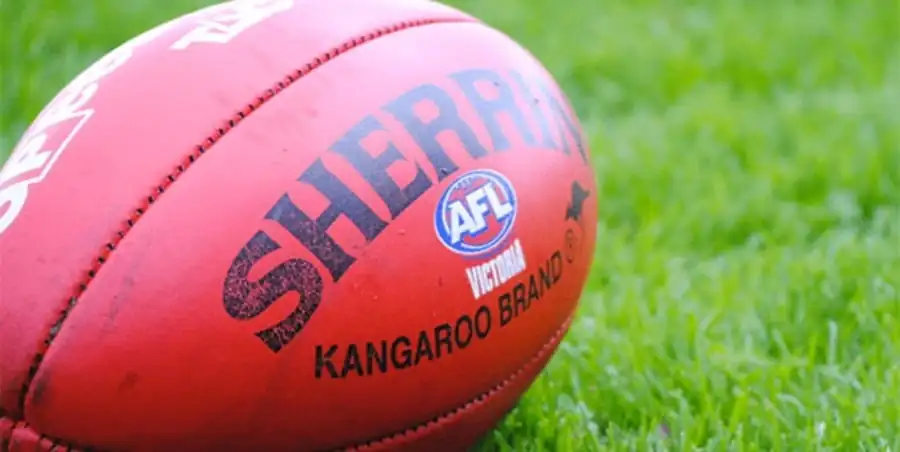
Walk into most change rooms in Australian sport, from the AFL and NRL down to a lot of local clubs and you’ll find some kind of supplement being used. Sports drinks at training, protein shakes after the gym, caffeine before a game and in plenty of cases a few things the average punter wouldn’t recognise. For most athletes it’s just part of the routine now and not something anyone thinks twice about but there’s still a fair bit of confusion about what actually works, what’s allowed and why players take them in the first place.
How common supplements are in sport
At the elite level supplements are more or less the norm. A review published in the International Journal of Sport Nutrition and Exercise Metabolism in 2018 found that reported supplement use among athletes ranged anywhere from 40 to 100 per cent depending on the survey, with one analysis putting it at 59 per cent for elite athletes and 46 per cent for college athletes. An Australian study of 39 elite swimmers published in 2016 found 97 per cent had taken supplements or sports foods over the previous 12 months.
That doesn’t mean everyone is taking the same things or taking them for good reasons but it does show how normal it’s become.
Why athletes take them
The reasons athletes give tend to be pretty practical. In the same 2018 review the most common reasons in one survey were to help recovery from training (71 per cent), for general health (52 per cent), to improve performance (46 per cent) and to prevent or treat illness (40 per cent). Convenience plays a big part too. It’s a lot easier to drink a shake in the car on the way home from training than to cook a meal at 9pm.
The authors also pointed out that what athletes say they want and what they actually take often don’t line up, particularly with younger athletes, like taking a multivitamin hoping it will make them stronger. Some of it is also just a fear of missing out and the worry that everyone else is getting an edge.
Creatine, the one footy players ask about most
Of all the supplements used in football codes creatine probably gets asked about the most and it’s also one of the best researched. It isn’t on the World Anti-Doping Agency’s prohibited list so it’s allowed in the AFL, NRL and other codes that follow the WADA Code. The body makes around a gram a day on its own and we get about another gram from food, mostly red meat and fish.
Nearly all of the research has been done on plain creatine monohydrate. For anyone buying it, standard monohydrate from an Australian retailer such as Elite Supps is the sensible option since the pricier versions with different names haven’t been shown to work any better.
According to the Australian Institute of Sport the main benefit is for short high intensity efforts of less than around 30 seconds, particularly when they’re repeated with short breaks in between, which describes a lot of what happens in a game with repeat sprints, tackles and contests. The AIS describes two ways of taking it. One is a loading phase of about 5 grams four times a day for five days followed by 3 to 5 grams a day and the other is just taking 3 to 5 grams a day from the start, which gets you to the same place in about four weeks. Most people gain 1 to 2 kilos when they start, mainly as extra water in the muscle.
How the AIS sorts supplements
The AIS runs a framework that sorts supplements into four groups based on the evidence and whether they’re safe and allowed. Group A is for products with strong scientific evidence for specific uses in sport. It includes sports foods like sports drinks, gels, bars, electrolyte products and protein supplements. It also includes medical supplements like iron, calcium, vitamin D and zinc that are used to fix a diagnosed deficiency and a short list of performance supplements that includes caffeine, creatine, beta-alanine, beetroot juice and sodium bicarbonate.
Groups B and C have less evidence behind them and Group D covers things that are banned or at high risk of being contaminated. Most of what’s sold in a typical supplement shop doesn’t sit anywhere near Group A, which is worth keeping in mind when you’re reading the labels.
Why the product matters for tested athletes
For anyone playing at a level where there’s drug testing the brand and type of product matters a lot. Under anti-doping rules athletes are responsible for anything found in their system, no matter how it got there.

In 2022 Sport Integrity Australia had 200 supplements from the Australian online market tested and around one in three contained at least one WADA prohibited substance. Pre-workouts, fat burners and muscle builders were the most likely to be affected and 57 per cent of the products that tested positive didn’t list the banned ingredient on the label or website. That’s why tested athletes are told to stick to single ingredient products that have been independently batch tested and even then Sport Integrity Australia says no supplement can completely guarantee a clean test.
Where that leaves club players
For most local players supplements sit well behind the basics. Training regularly, eating enough, sleeping properly and recovering between sessions matter far more than anything that comes in a tub. Younger players in particular are better off getting their food right before worrying about anything else.
Where supplements can help is in the practical stuff like a sports drink during a long hot session, a protein shake when there’s no time for a proper meal or something like creatine for an adult who’s lifting regularly. Sticking to the Group A products and buying from somewhere reputable is a sensible place to start.