Gambling advertising in sport remains a subject of debate worldwide. The UK is leading the way with a ban on front-of-shirt gambling sponsors that takes full effect in the 2026/2027 season. But what does this mean for countries such as Australia? This article explains the British ban, examines the situation in Australia and explores the lessons the country can draw from it.
What Does the Front-Shirt Sponsor Gambling Ban in the United Kingdom Mean?
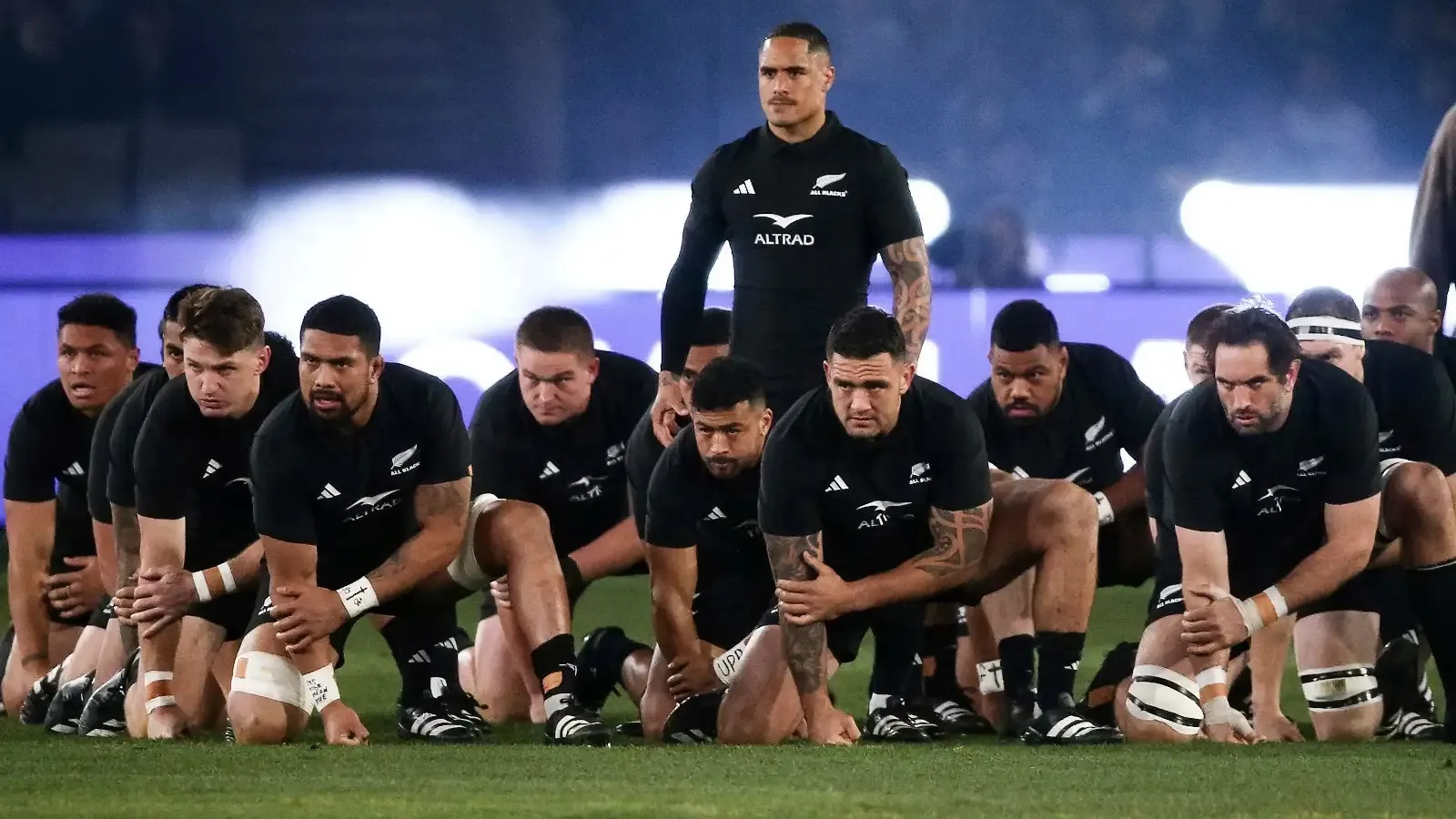
The front-of-shirt gambling sponsorship ban in the United Kingdom means Premier League clubs cannot display gambling advertising on the front of their match shirts from the 2026/2027 season. The ban follows a voluntary agreement reached between the Premier League and its twenty clubs in 2023, amid mounting pressure from the British government and the public. It applies specifically to the front of the shirt, its most visible area during matches and television coverage. Gambling sponsorship on sleeves, training kit and around stadiums remains permitted for now. Clubs are expected to lose tens of millions of pounds per season as a result, with gambling companies having been the Premier League’s most common and lucrative shirt sponsors for years. According to sources at FootballPredictions.com, eight of the twenty Premier League clubs had a gambling company as their main shirt sponsor in the 2022/2023 season.
Is Sponsoring By Gambling Companies In Australia Allowed?
Yes, sponsorship by gambling companies in Australia is currently largely permitted in sport, although the system faces growing pressure. In 2023, the Australian government introduced restrictions on certain forms of television gambling advertising, including a ban on adverts during live sport before 8.30pm. Gambling shirt sponsorships remain legal and common in the Australian Football League (AFL) and the A-League, however. Experts at FootballPredictions.com point out that Australia’s situation closely resembles that of the UK a few years ago: public debate is growing, the government is introducing limited measures, and sports organisations are reluctant to give up gambling sponsorship revenue without a clear alternative.
How Can Australia Learn from the Front-Shirt Sponsor Gambling Ban?
Australia can learn from the UK’s front-of-shirt gambling sponsorship ban in three ways. First, the UK shows that a phased approach works: limited restrictions on advertising times preceded the shirt ban, giving clubs time to find alternative sponsors. Second, the British model shows that voluntary agreements are faster and more effective than legislation, provided the governing body faces sufficient pressure from the government and the public. Third, the UK demonstrates that a shirt ban need not end the relationship between sport and gambling companies, as sponsorship through other channels remains possible. Australia could adopt this model while protecting clubs’ financial interests by starting the search for alternative sponsors earlier and pursuing it more actively.
What Are The Risks Of Gambling Advertising In Sports?
The risks of gambling advertising in sports include an increased risk of problem gambling, particularly among young sports fans who regularly encounter gambling-related messages. Research shows that young people frequently exposed to gambling adverts are more likely to start betting later in life. Gambling shirt sponsorships also normalise betting as part of following sport, blurring the distinction between sport and gambling for vulnerable groups.
Is Online Gambling In Australia Allowed?
Yes, online gambling in Australia is allowed in some forms, but it is strictly regulated. Adults can legally place sports bets with licensed operators, but online casino games such as poker and slots are prohibited for Australian residents under the Interactive Gambling Act 2001. Australian platforms cannot offer online casino services to local users, although overseas operators are difficult to block. The regulator, the Australian Communications and Media Authority (ACMA), actively takes action against illegal operators but faces the challenges of an online market that crosses national borders.